
Marketing Funnels Explained: From Awareness to Conversion
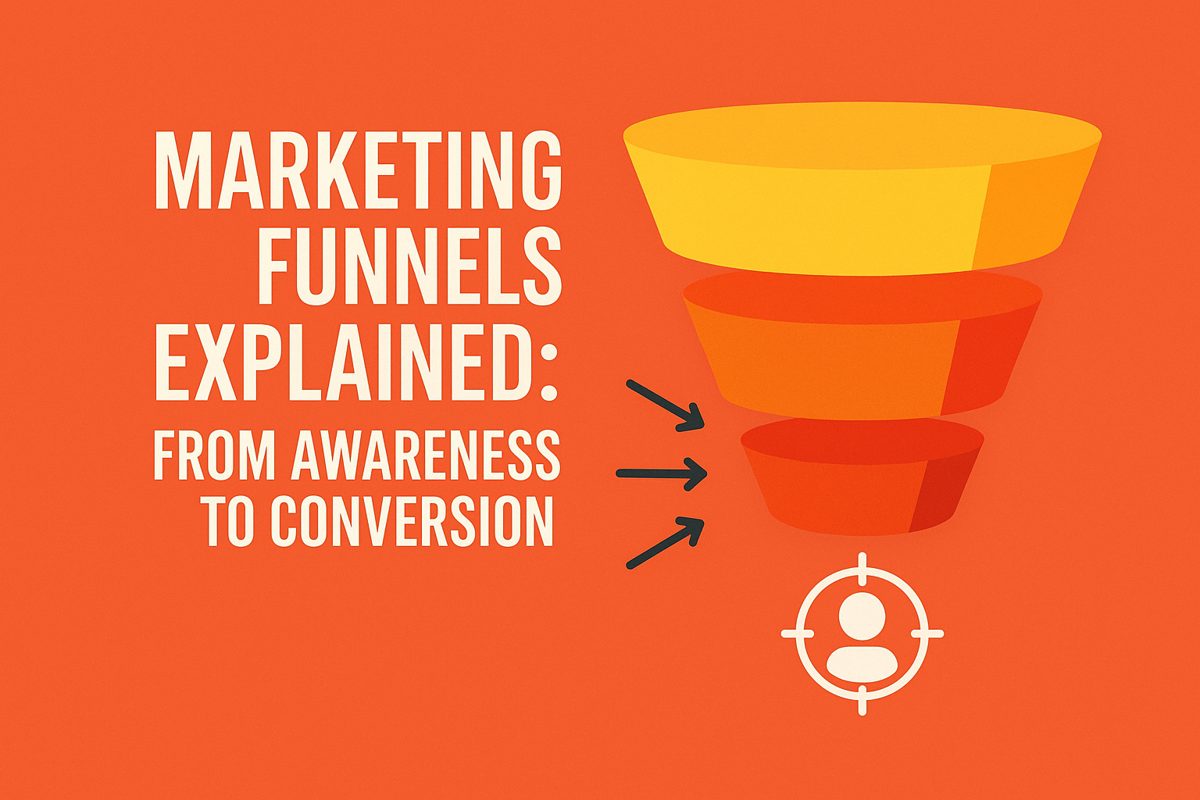
Marketing isn’t just about grabbing attention - it’s about guiding potential customers through a clear, structured journey that turns curiosity into commitment.
That journey is called the marketing funnel, and when used correctly, it becomes one of the most powerful tools for turning leads into loyal clients.
At PTR Consulting, we help businesses build and optimize funnels that not only generate leads, but convert them efficiently. Here's a simple breakdown of how it works - and why your business needs to think in funnels, not just campaigns.
What Is a Marketing Funnel?
A marketing funnel is a step-by-step framework that maps out the path a customer takes from the moment they become aware of your brand to the point they make a purchase - and ideally, beyond.
It’s usually broken into three stages:
- Top of Funnel (ToFu): Awareness
- Middle of Funnel (MoFu): Consideration
- Bottom of Funnel (BoFu): Conversion
Let’s explore what happens at each stage - and what your marketing should be doing.
1. Top of Funnel (Awareness)
Goal: Attract and educate
This is where people first discover your brand. They’re not ready to buy - they might not even know they have a problem yet. Your job here is to build trust and grab attention.
Tactics:
- SEO blog posts
- Social media content
- Paid awareness campaigns
- Downloadable guides or infographics
- Video explainers or webinars
Example:
A SaaS founder Googles “how to scale content marketing” and finds your blog post - that’s awareness.
2. Middle of Funnel (Consideration)
Goal: Nurture interest and demonstrate value
Now your prospect knows you exist - and they’re evaluating options. They’re aware of their need and actively researching solutions.
Tactics:
- Case studies
- Lead magnets (ebooks, checklists)
- Comparison pages
- Nurture emails
- Free tools or assessments
Example:
That same SaaS founder downloads your free content strategy toolkit and gets added to a drip email campaign.
3. Bottom of Funnel (Conversion)
Goal: Close the deal
This is the make-or-break stage - your leads are ready to decide. It is time to prove your credibility and reduce any final objections.
Tactics:
- Product demos or consultations
- Testimonials or client logos
- ROI calculators
- Sales calls
- Special offers or limited-time pricing
Example:
The founder books a discovery call with your team and signs up for a 3-month engagement. That’s a successful conversion.
Why Funnels Work Better Than One-Off Campaigns
- They focus your messaging: You’re speaking to the right stage of the journey - not blasting generic ads to everyone.
- They improve ROI: By nurturing leads through the funnel, you get higher-quality conversions at lower acquisition costs.
- They create repeatable growth: A well-built funnel becomes a system, not a guess - one that can scale over time.
Common Funnel Mistakes to Avoid
- Sending sales emails to cold traffic
- Overloading top of funnel without nurturing middle
- Having no clear CTA at any stage
- Treating every lead the same
- Not tracking conversion metrics
Final Thought: Meet People Where They Are
The key to successful marketing funnels? Relevance.
When you understand where your audience is in their decision-making journey, you can serve them content and offers that match their mindset - and move them closer to a sale.
🎯 Ready to build a funnel that converts?
Book a free discovery call with PTR Consulting - and let us help you guide prospects from awareness to action.